

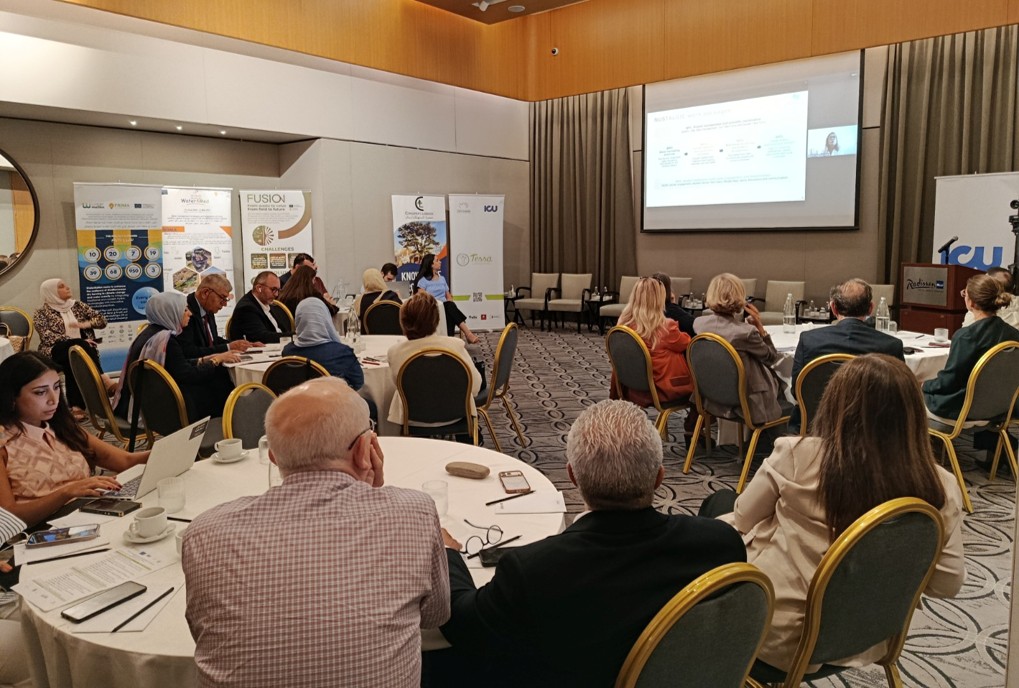
The WaterMellon project participated in a multi-stakeholder workshop in Beirut, bringing together 64 participants to discuss innovation, research and sustainable agriculture in Lebanon.
On 3 September 2026, the Istituto per la Cooperazione Universitaria (ICU) organised the workshop “Partnership in Innovation and Scientific Research for Sustainable Agriculture in Lebanon” in Beirut, under the patronage of the Minister of Agriculture, Dr Nizar Hani.
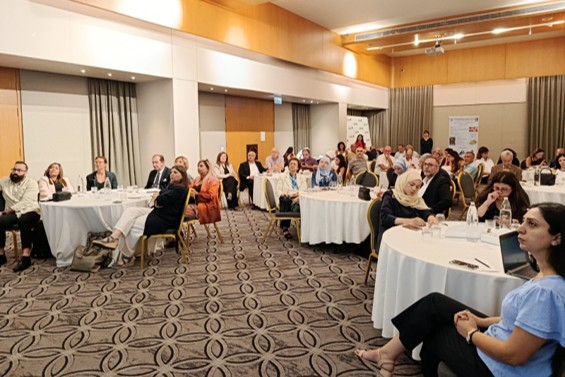
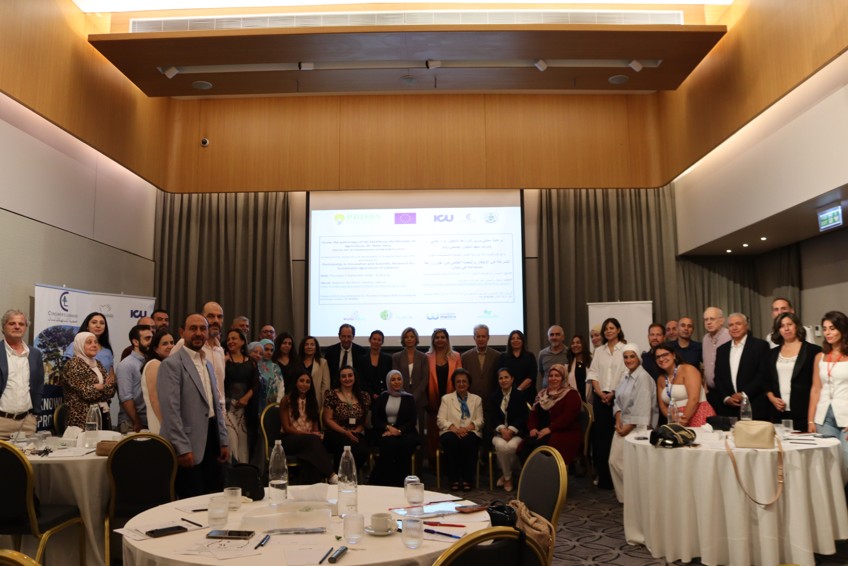
The event brought together 64 participants representing public institutions, universities and research centres, farmers’ organisations and cooperatives, private-sector actors, civil society organisations, technical experts, international and donor organisations, students, women-led cooperatives and rural women entrepreneurs.
The workshop provided a platform for four PRIMA projects implemented in Lebanon – Water4Med, FUSION, WaterMellon and NUSTALGIC – to present their approaches and experiences, exchange lessons learned and identify opportunities for stronger cooperation between research, policy and agricultural practice.
Presenting WaterMellon’s approach to climate-resilient agriculture
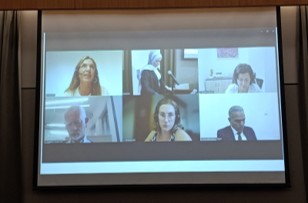
WaterMellon was represented during the first session by Maider Goñi Suberviola from Iniciativas Innovadoras (INI), on behalf of Project Manager Dr Efthymia Alexopoulou from the Centre for Renewable Energy Sources and Saving (CRES).
The presentation introduced WaterMellon’s integrated approach to strengthening climate resilience in Mediterranean agriculture by combining traditional water-harvesting practices, modern technologies and climate-smart cropping systems.
Particular attention was given to the project’s work on improving water-use efficiency through tools such as sensors, mapping, satellite data and decision-support systems, while promoting drought- and salt-tolerant crops.
The presentation also highlighted the role of demonstration farms as practical “lighthouses” where farmers can learn, test and replicate innovative practices. Farmer training, locally adapted production systems, resilient value chains and knowledge-sharing activities are central elements of the WaterMellon approach.
Quinoa and teff: opportunities and implementation challenges
During the technical panel, Eng. Hussein Hoteit, ICU Project Coordinator, presented WaterMellon’s implementation experience in Lebanon, focusing particularly on the testing of quinoa and teff under different agro-climatic conditions.
The project selected these crops because of their potential as drought- and salinity-tolerant, nutritionally valuable crops suitable for investigation under Mediterranean conditions.
Preliminary field results were generally encouraging, while also revealing a number of practical challenges. These included seed availability, sowing methods and timing, weed control, harvesting, threshing and post-harvest handling. The availability of appropriate equipment for harvesting and separating grain from chaff was identified as a particularly relevant issue.
WaterMellon’s farmer-engagement activities in Lebanon, including Regional Farmers Groups, workshops, living labs and awareness materials, were also highlighted. Arabic factsheets on quinoa and teff are among the materials supporting knowledge transfer to local stakeholders.
From research results to practical adoption
The plenary discussion generated strong interest in WaterMellon, particularly around the feasibility of introducing quinoa and teff in Lebanon.
Participants raised practical questions about farmer acceptance, access to seeds, availability of harvesting and post-harvest machinery, and the conditions required for these crops to become viable options for farmers.
These exchanges reinforced an important message for the project: agricultural innovation requires more than technically promising crops or research results. Successful uptake also depends on farmer confidence, access to inputs and equipment, practical demonstrations, market opportunities and cooperation among research institutions, public authorities and value-chain actors.
Building the next steps for WaterMellon in Lebanon
The feedback gathered during the workshop will help inform the next stages of WaterMellon’s work in Lebanon. Key areas identified include strengthening farmer engagement around quinoa and teff, improving seed-supply planning, assessing harvesting and grain-separation options, testing equipment under field conditions and exploring potential market pathways.
The workshop also highlighted the value of stronger cooperation between universities, research institutions, the Ministry of Agriculture, cooperatives and private-sector actors to support technical validation, knowledge transfer and future dissemination.
For WaterMellon, the Beirut workshop was therefore an important opportunity to connect project research with the practical questions that farmers, institutions and practitioners face when innovation moves from experimentation towards real agricultural application.