

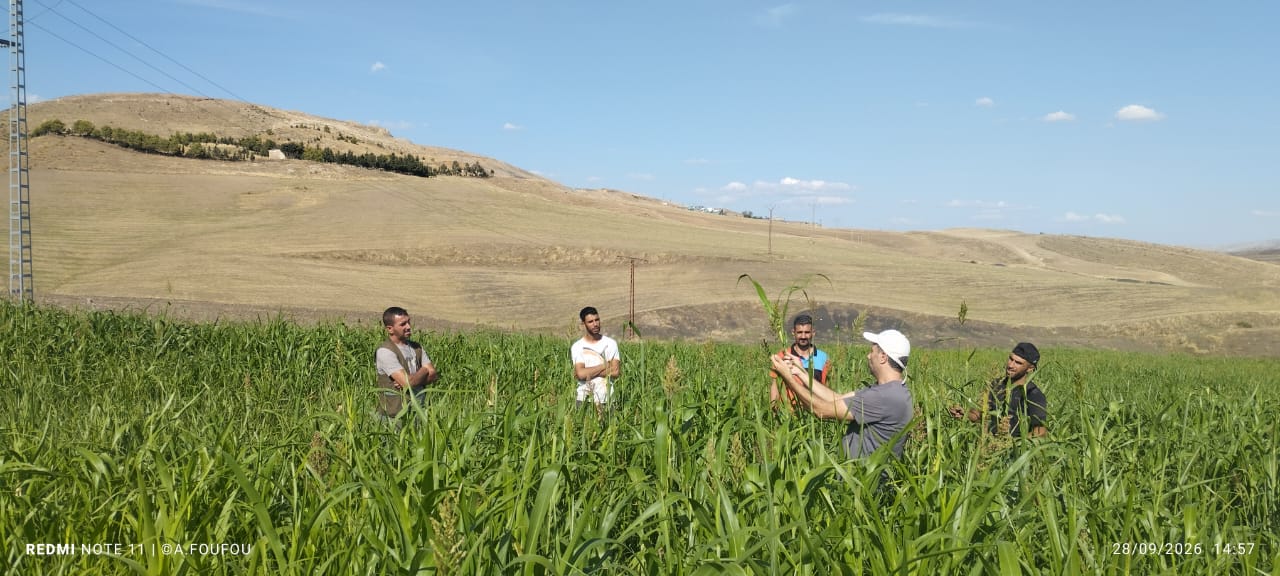
The University of Skikda organised the third Regional Farmers Group (RFG) meeting at the WaterMellon demonstration site in the Sétif region, bringing together farmers to explore innovative water management practices and climate-resilient cropping systems.
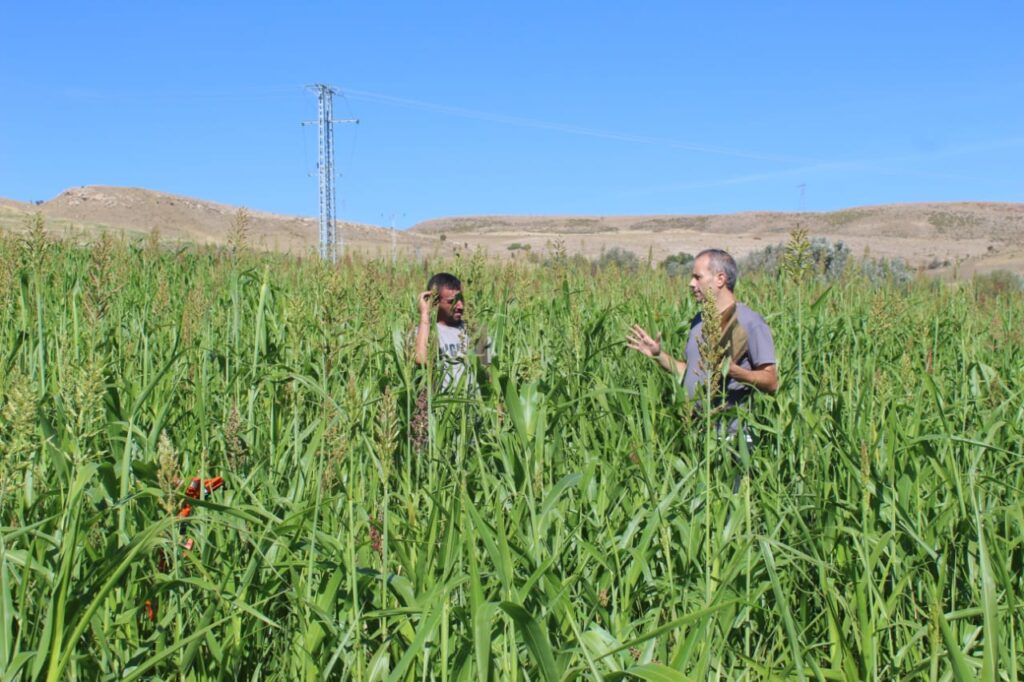
On 28 September 2026, the University of Skikda, a partner in the PRIMA Section 1 WATERMELLON project, organised its third Regional Farmers Group (RFG) meeting at the project’s demonstration site in the Sétif region of Algeria.
The event brought together farmers specialising in forage crop and sorghum production to exchange experiences and explore innovative approaches to water management and sustainable crop production in this drought-affected semi-arid region.
Demonstrating integrated cropping systems and water harvesting
During the event, the WaterMellon team presented an integrated production system combining winter forage crops and summer sorghum through crop rotation, supported by innovative water-harvesting techniques proposed by the project.
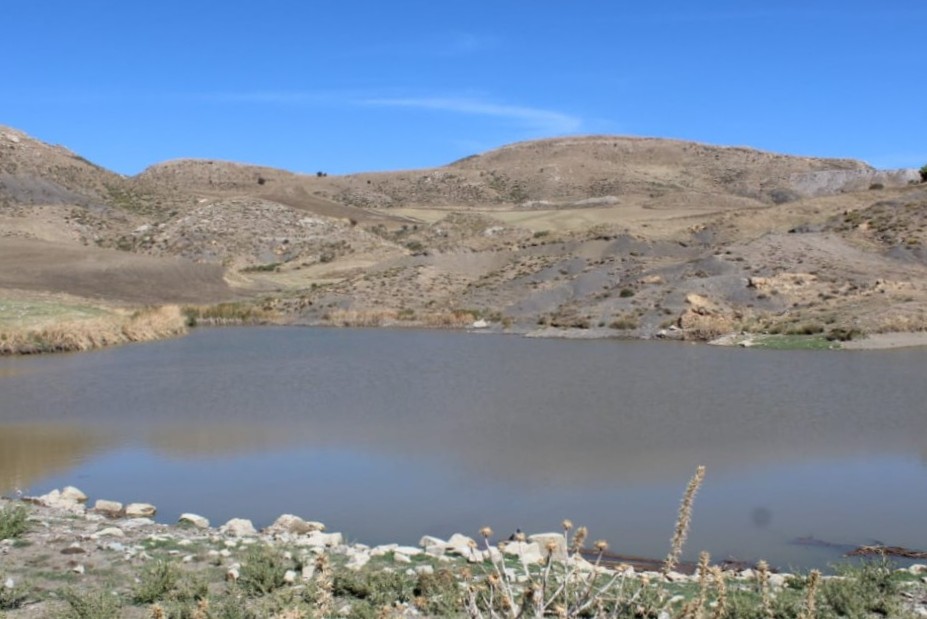
Particular attention was given to the Water Flexible Tank System (WFTS) and its role in securing water availability for crop production during dry periods.
The meeting took place approximately one week before the second sorghum harvest, following a period of severe drought and high temperatures. Despite these challenging conditions, farmers observed that the sorghum crop had maintained its growth and development.
The stored water in the Water Flexible Tank System also contributed to supporting crop growth during the drought, highlighting the potential of water harvesting and storage solutions to help reduce the impact of water scarcity on agricultural production.
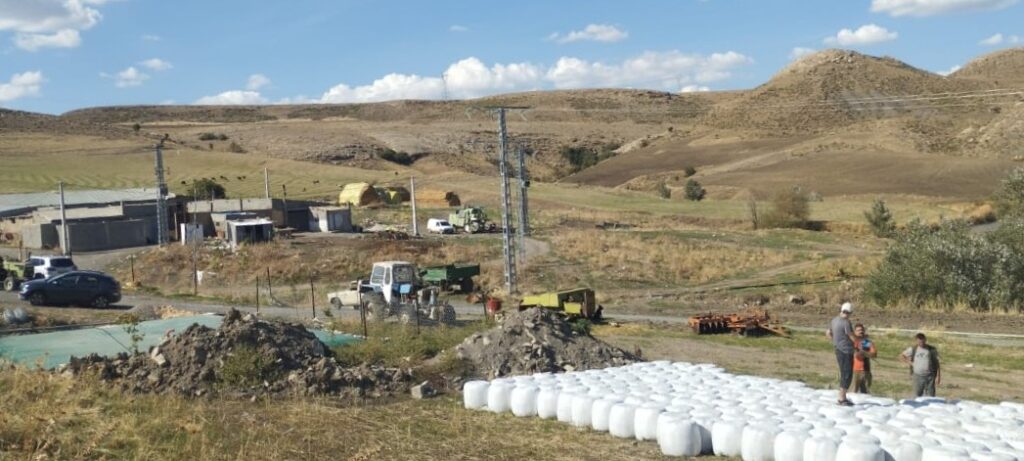
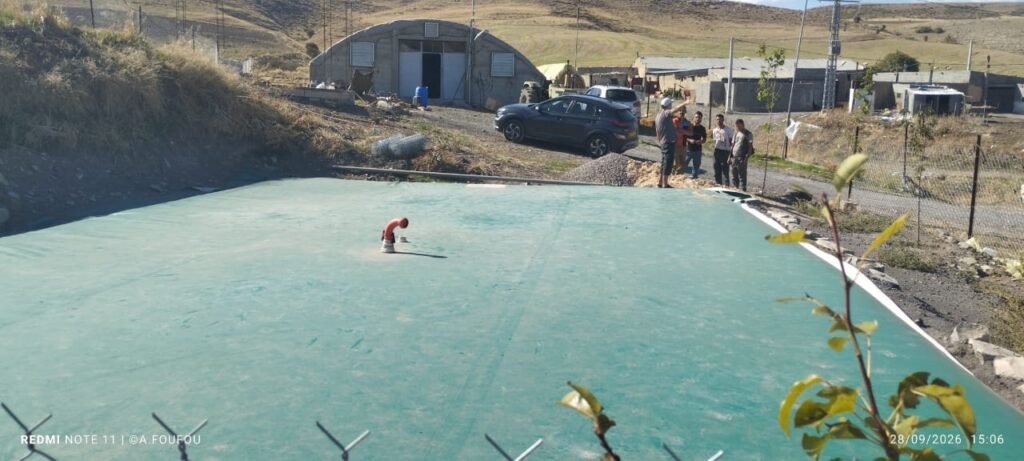
Farmers discuss sorghum resilience and forage production
Discussions with farmers focused on several aspects of the production system, including sorghum quality, drought tolerance, the effectiveness of the winter–summer forage crop rotation, and the practical benefits of water harvesting and storage techniques.
Participants expressed interest in the resilience observed in the sorghum variety and in the potential of the integrated production system to improve forage availability during drought periods while reducing farmers’ vulnerability to water scarcity.
The exchange also provided an opportunity for farmers to share their observations and recommendations concerning water management, crop rotation and the further development of sustainable farming practices adapted to local conditions.
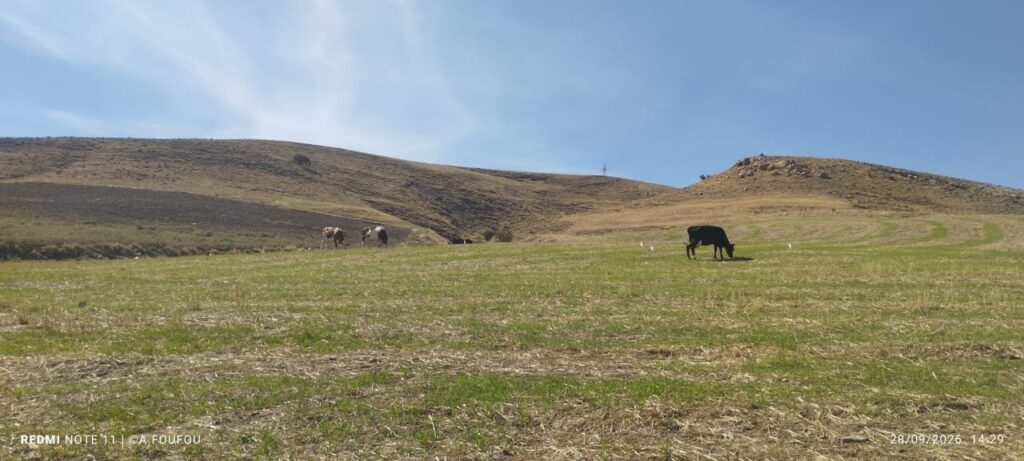
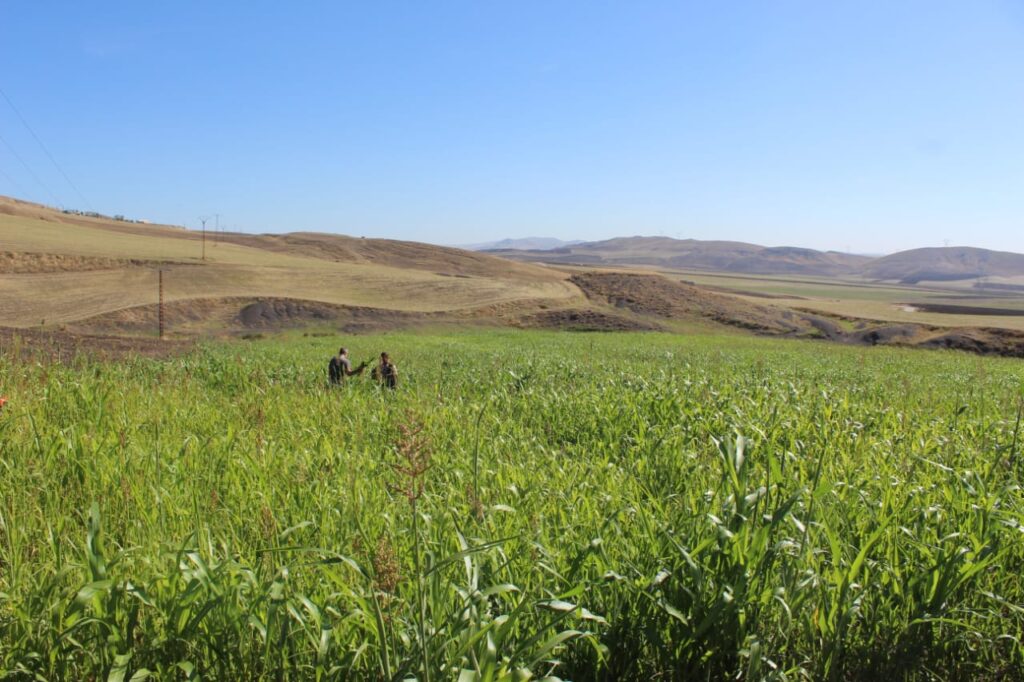
Strengthening knowledge exchange between farmers and researchers
The third Regional Farmers Group meeting in Algeria strengthened the exchange of knowledge and experience between the WaterMellon project team and local farmers.
By bringing project innovations directly to the demonstration site and discussing their performance under challenging climatic conditions, the meeting contributed to WaterMellon’s broader objective of promoting resource-efficient, sustainable and climate-resilient agricultural systems across the Mediterranean region.
The experience gathered through the RFG activities will also help support continued dialogue with farmers and contribute to the further develo