


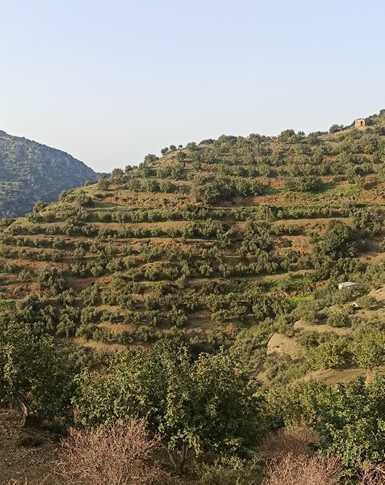
On 26 November 2025, the WaterMellon project brought together farmers, students, researchers and local stakeholders for a Demo Day, field visit and training activity in Polyrrhenia, Crete. The event combined hands-on demonstrations, practical training and open discussions to showcase innovative solutions for more sustainable and climate-resilient agriculture.
A total of 54 participants took part in the activity, including farmers, agricultural engineers, educators, local authority representatives, SMEs and 34 agronomy students from the 1st Vocational Upper Secondary School of Chania. The diverse audience created an excellent opportunity to exchange knowledge, share experiences and strengthen collaboration between the farming community and future agricultural professionals.
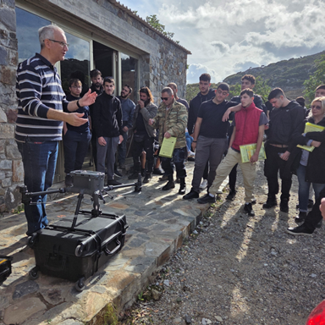
Image 1: Training activity at the study site, showing drone equipment demonstration
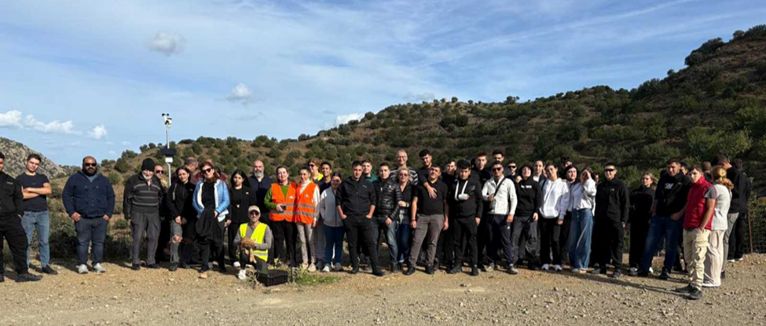
Image 2: Overview of the meeting with the Regional Focus Group
Throughout the day, participants learned about the WaterMellon project, its innovative cropping systems and the role of biostimulant-based practices in improving soil health and crop resilience. The programme included practical training on the use of compost, mulch and zeolite, followed by their direct application in the experimental field, allowing participants to experience these techniques first-hand.
Another highlight of the event was the demonstration of drone technology for precision agriculture. Participants explored how unmanned aerial vehicles can be used to monitor crops, collect field data and support more efficient farm management. Live drone flights demonstrated the potential of digital technologies to help farmers make better-informed decisions and improve resilience under increasingly challenging climate conditions.
The event also featured interactive discussions where farmers, advisors and technical experts shared their experiences and identified the main challenges facing agriculture in Crete. Participants completed questionnaires that provided valuable feedback on local farming practices, current needs and future priorities.
The results confirmed that drought and rising production costs remain the biggest concerns for local farmers, with many reporting significant yield losses in recent years. At the same time, the survey revealed a growing willingness to adopt innovative solutions, including drought-tolerant crops such as carob, quinoa, lupin and opuntia, provided that suitable markets, technical support and financial incentives are available.
Although experience with drones and digital monitoring tools is still limited, most participants expressed strong interest in using these technologies in the future, highlighting the growing recognition of precision agriculture as a key tool for climate adaptation.
A special feature of the Demo Day was the collaboration with DE.DI.SA. S.A., the regional public organisation responsible for waste management and recycling in Chania. As part of the WaterMellon project, DE.DI.SA. supplied high-quality compost and mulch free of charge for use in the experimental carob field, demonstrating how recycled organic materials can support healthier soils, improve water retention and strengthen crop resilience.
Representatives from DE.DI.SA. attended the event and highlighted the importance of integrating circular economy principles into agriculture. Their collaboration with WaterMellon showed how sustainable resource management can create practical benefits for farmers while reducing environmental impacts.
By combining field demonstrations, practical training and stakeholder engagement, the Polyrrhenia Demo Day successfully showcased how innovative technologies and nature-based solutions can work together to support climate-smart agriculture. The event also strengthened collaboration between farmers, students, researchers and regional organisations, helping build the knowledge and partnerships needed for a more resilient and sustainable future for Mediterranean agriculture.