Community
Collaborating for Greater Impact
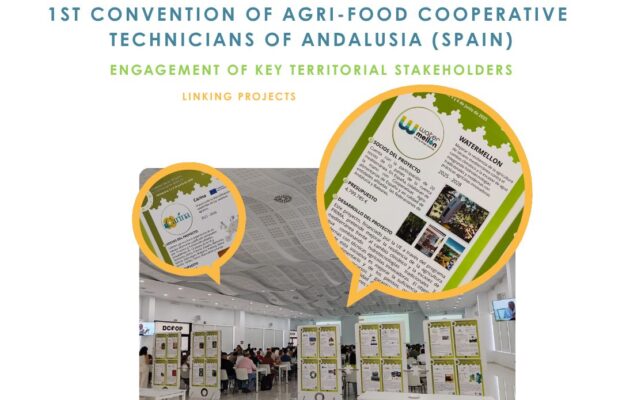
This section will showcase the linked projects, featuring short descriptions, links to their websites, and contact information — an open door to collaboration and shared progress.
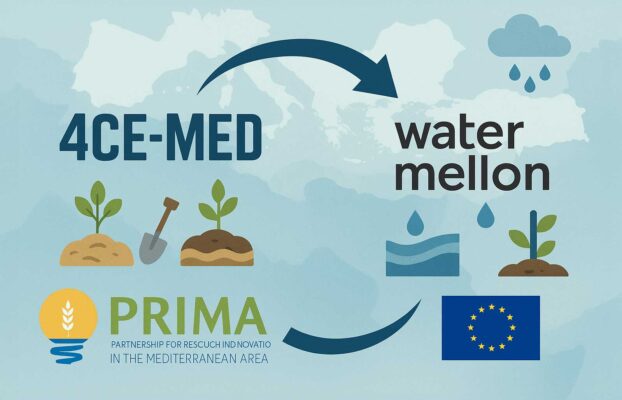
By connecting with initiatives that share similar goals, especially in the Mediterranean region, PRIMA programme enhances stakeholder engagement, knowledge sharing, and long-term impact. These partnerships, involving ongoing and past projects, promote continuity, mutual learning, and the development of resilient agricultural systems through accessible, cooperative activities.
4CE-MED
4CE-MED project aims at developing Mediterranean innovative, diversified and resilient farming systems not competing for land with actual food chain, following a participatory approach for identifying smallholder needs, while planning, monitoring and evaluating the project actions. The 4CE-MED systems are modified conventional farming systems including camelina, a promising oilseed crop for Europe, as a cash cover crop which might increase farmers’ revenue while enhancing soil and water conservation.

Profesor Andrea Monti: a.monti@unibo.it
ALMA MATER STUDIORUM – UNIVERSITÀ DI BOLOGNA
CARINA
The project will focus on innovative farming systems for these crops, which can grow almost everywhere in Europe and Northern Africa. They also provide high quality oils that will be transformed into innovative biobased products (bioherbicides, bioplastics). What’s more, the co-product from oil extraction from these crops is a protein-rich cake that can be used as animal feed. A solution may be found in two new oilseed crops, carinata and camelina. The CARINA solution will benefit approximately three million farmers.
Profesor Andrea Monti: a.monti@unibo.it
ALMA MATER STUDIORUM – UNIVERSITÀ DI BOLOGNA
VENUS
El proyecto tiene como objetivo transformar tierras degradadas y marginales en la región mediterránea en agroecosistemas productivos y sostenibles mediante la introducción de especies olvidadas y subutilizadas (NUS) que están bien adaptadas a la sequía, la salinidad y los suelos pobres, pero que han sido ignoradas por la agricultura moderna. Al centrarse en estas especies resilientes, VENUS busca mejorar la salud del suelo, reducir la degradación de la tierra y hacer un uso eficiente de los escasos recursos hídricos, creando al mismo tiempo nuevas oportunidades económicas para los agricultores locales.
Dr. Vassilis Aschonitis: v.aschonitis@swri.gr
Hellenic Agricultural Organization – DIMITRA, Soil and Water Resources Institute
NUSTALGIC
El proyecto promueve el cultivo y la valorización de Especies Olvidadas y Subutilizadas (NUS) como soluciones resilientes al clima para una agricultura sostenible en zonas áridas mediterráneas. Al introducir cultivos tolerantes a la sequía, como cactus, cebada y legumbres tradicionales, el proyecto pretende mejorar la eficiencia en el uso del agua, la salud del suelo y las oportunidades económicas de los agricultores.
Marta W. Vasconcelos: mvasconcelos@ucp.pt
CBQF-UCP Centre for Biotechnology and Fine Chemistry