

On 25 November 2025, the WaterMellon project hosted a meeting with the Regional Focus Group and an educational workshop at the Vocational Upper Secondary School of Platanias, Crete. The event brought together students, agricultural professionals and local stakeholders to explore innovative technologies and sustainable farming practices for a more climate-resilient future.
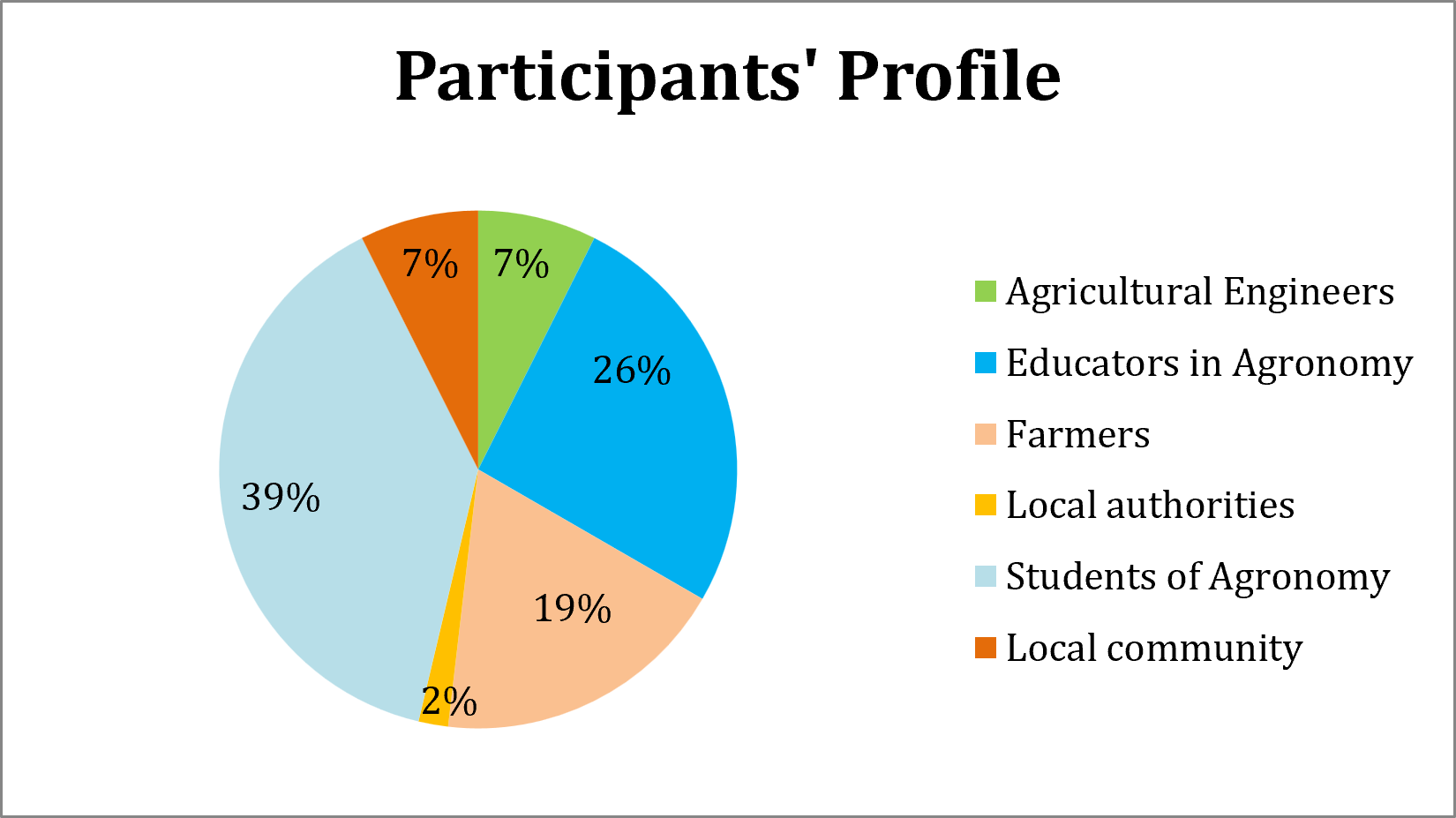
The workshop welcomed 54 participants, most of whom had backgrounds in agronomy, creating an ideal environment for sharing knowledge, practical experience and new ideas. The discussions focused on how innovative agricultural technologies can help Mediterranean farming communities adapt to climate change while improving sustainability and resource efficiency.
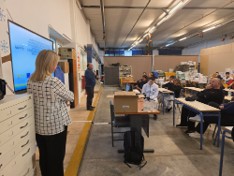
Image 1: moment of the event
A key highlight of the event was the active participation of agronomy students, whose enthusiasm and curiosity demonstrated the importance of education in preparing the next generation of farmers, agricultural engineers and advisors. By introducing students to the latest developments in precision agriculture, WaterMellon is helping equip future professionals with the skills needed to tackle the environmental challenges facing agriculture across the Mediterranean.
Participants were introduced to a range of climate-smart farming solutions, including the use of drones, Geographic Information Systems (GIS) and Earth Observation (EO) technologies. These innovative tools can support farmers in monitoring crop conditions, improving water management and making more informed decisions to increase resilience under changing climate conditions.
The workshop also encouraged open dialogue between students, local stakeholders and members of the WaterMellon consortium. This exchange of ideas strengthened collaboration, built trust and created valuable opportunities to discuss the real needs of the agricultural sector in Crete. By connecting education with practical experience, the event highlighted the importance of working together to develop solutions that are both innovative and applicable in the field.
With 54 participants, the workshop reflected the growing interest in climate-resilient agriculture in Crete, where water scarcity and climate change continue to pose significant challenges for farming communities. The strong engagement from students and agricultural professionals showed a shared commitment to adopting modern technologies and sustainable practices that can support the long-term future of agriculture in the region.
The Platanias workshop also contributed to the wider objectives of the WaterMellon project by strengthening regional farmer networks and supporting the educational development of EO- and GIS-based monitoring systems. Most importantly, it reinforced the idea that investing in education today means building a new generation of skilled professionals ready to lead the transition towards smarter, more sustainable and climate-resilient agriculture in Mediterranean drylands.