

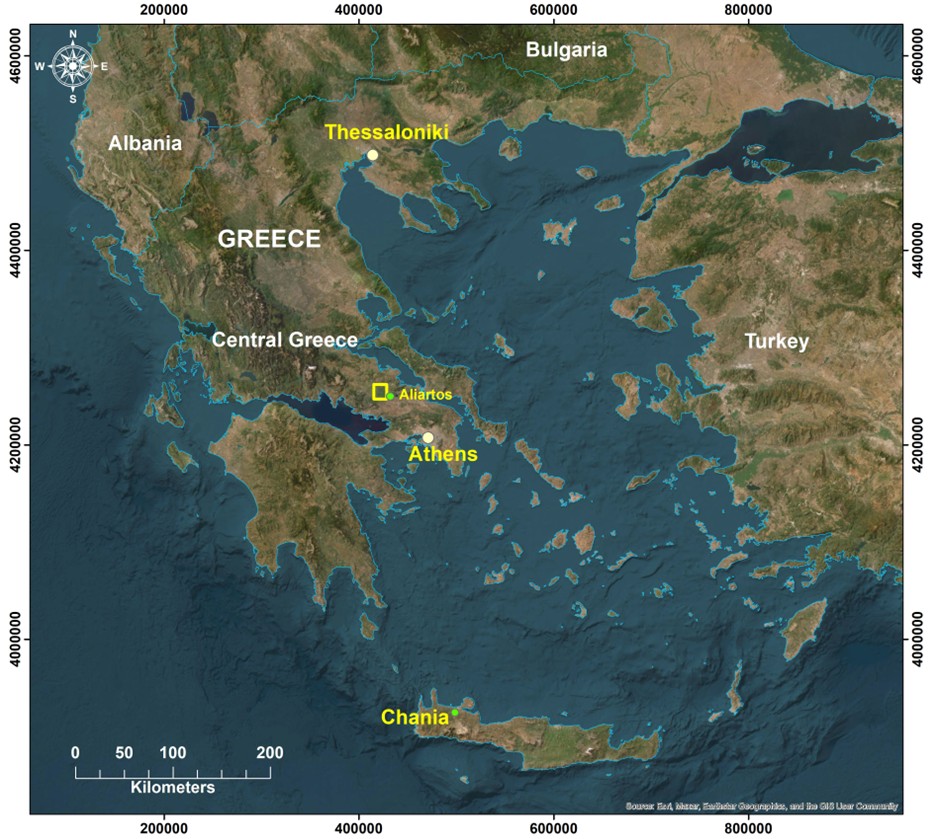

On 13th November 2025, the Agricultural University of Athens (AUA) organized a workshop for the Regional Focus Group (RFG) in the Aliartos area of Boeotia, Central Greece. The event included both indoor and outdoor activities, with a visit to the local demo field, highlighting innovative solutions for sustainable agriculture in Mediterranean drylands.
About the Aliartos Field Site
The Aliartos field case study is located at 38°23′ N, 23°06′ E, 83 m above sea level, within the fertile Kopaida plain. This area, a former lake drained in the 19th century, now hosts extensive agricultural land ideal for diverse crops due to its rich alluvial soils and mild Mediterranean climate. The region experiences wet, cool winters and hot, dry summers, with an average annual precipitation of 466.2 mm and mean maximum temperatures reaching 30.4°C.
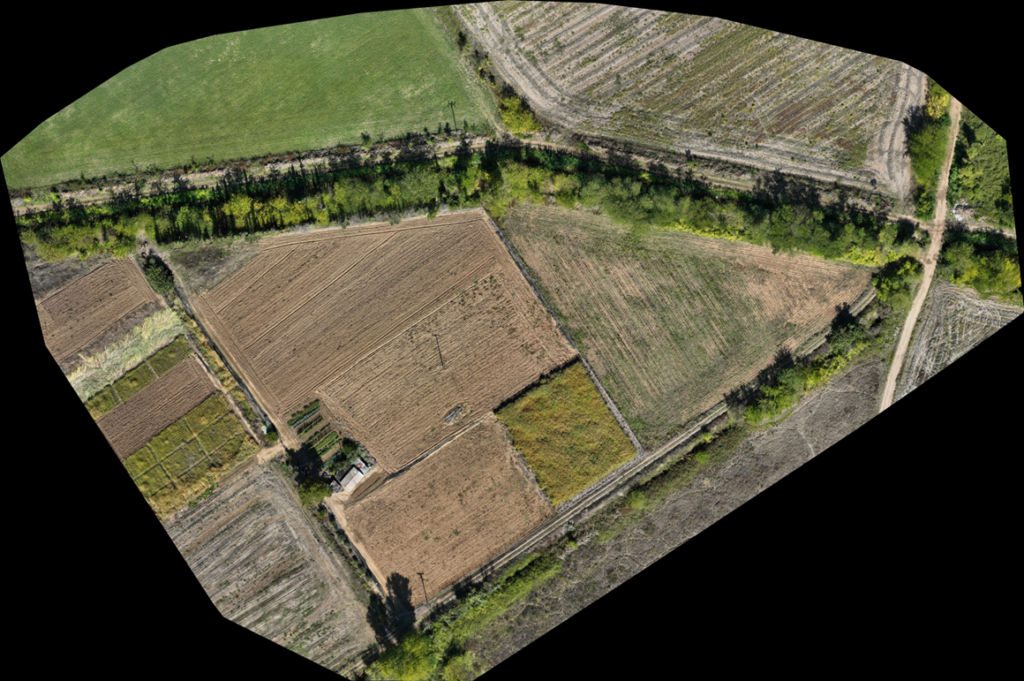
Figure 1: The experimental site in Aliartos as it was mapped from a Mavic 3M drone in October 2025/ Photo credit: AUA
The workshop aimed to address pressing challenges such as water scarcity, soil degradation, and climate stress, while promoting innovative cultivation practices and digital tools. These activities support WaterMellon’s mission of enhancing agricultural sustainability and resilience in dryland environments. The workshop brought together 34 participants from diverse backgrounds, including farmers, agricultural engineers, advisors, local authority representatives, environmental scientists, educators, SMEs, and community members. Among them, 11 women actively contributed, highlighting the important role of women in advancing sustainable agriculture.
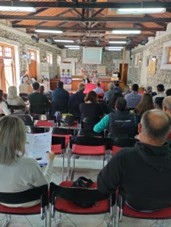
Figure 2: Participants during the Aliartos Workshop / Photo credit: AUA
Participants explored innovative agricultural technologies, sustainable farming practices, new products and value chains, and practical solutions to enhance yields and profitability. The collaborative environment encouraged peer learning, knowledge exchange, and community engagement, supporting climate-resilient agriculture in the region. Attendees received informative materials, including a WaterMellon factsheet and a leaflet on drought-tolerant crops like the carob tree, helping them understand the project’s objectives and practical applications.
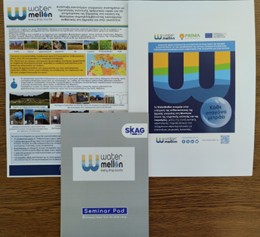
Figure 3. WaterMellon disseminated material/Photo credit: AUA
A questionnaire conducted during the workshop provided valuable insights into the local agricultural landscape and the challenges faced by farmers. Most participants reported that their farms are primarily dedicated to arable crops, with a combination of irrigated and mixed cultivation systems. Wheat emerged as the most widely grown crop, and many farmers noted reductions in yield in recent years due to drought, highlighting the pressing impact of water scarcity. At the same time, participants expressed openness to experimenting with alternative crops such as quinoa or teff, provided that market access and support mechanisms are in place. There was also strong interest in developing value-added products and in participating in cooperatives to enhance the potential of new crop-based initiatives. Finally, the questionnaire revealed a growing awareness and willingness to adopt digital tools and drone technology, particularly when accompanied by financial or technical assistance, demonstrating the community’s readiness to engage with innovative solutions for climate-smart and sustainable agriculture.
Following the presentations and questionnaires, Assistant Professor E. Psomiadis and his team showcased drone and GIS technologies. They demonstrated how multispectral imagery combined with spatial analysis can help monitor crops, optimize water use, and adopt drought- and salinity-tolerant crops. These precision agriculture tools allow farmers to increase productivity while reducing environmental impact, aligning perfectly with the WaterMellon PRIMA objectives.
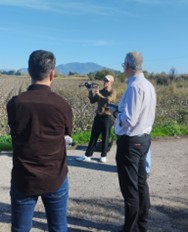
Figure 4. Assistant Professor E. Psomiadis and his team demonstrates drone and GIS advanced machinery. Photo credit: AUA
The workshop created a meaningful exchange of knowledge between farmers, local authorities, and WaterMellon experts. Participants gained hands-on experience with innovative technologies and practical solutions for climate-smart farming. The event also strengthened local community engagement and built trust, ensuring that WaterMellon’s tools and recommendations are grounded in real-world needs.
Through this workshop, WaterMellon PRIMA continues to advance climate-resilient agriculture in the Mediterranean region, helping farmers adapt to environmental stresses, improve yields, and secure sustainable livelihoods.