


The University of Skikda (U. SKIKDA), a key partner in the WATERMELLON project, has successfully carried out a series of activities at the demonstration site in Elmouane, Sétif, in northeastern Algeria. The 35-hectare site integrates three main production systems—crop, aquaculture, and livestock—promoting conservation agriculture, crop rotation, and intercropping, while minimizing the use of fertilizers and pesticides.
A highlight of the site is the natural hillside reservoir, with a recharge capacity of 236,000 m³, which ensures complementary irrigation for winter forage crops and sorghum in rotation, as well as supporting fish production. Additionally, the implementation of a 500 m³ Water Flexible Tank System (WFTS) enables water storage during rainy periods for use during droughts, benefiting both crops and aquaculture.
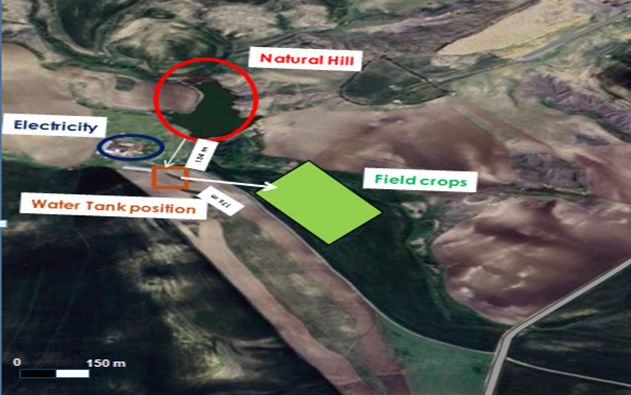
Photo credit: U. SKIKDA: Water Flexible Tank System
Between May and November 2025, U. SKIKDA organized multiple preparatory and participatory activities:
- Establishment of Regional Farming Groups (RFGs) through individual meetings and two focus group sessions with farmers, advisors, and other stakeholders.
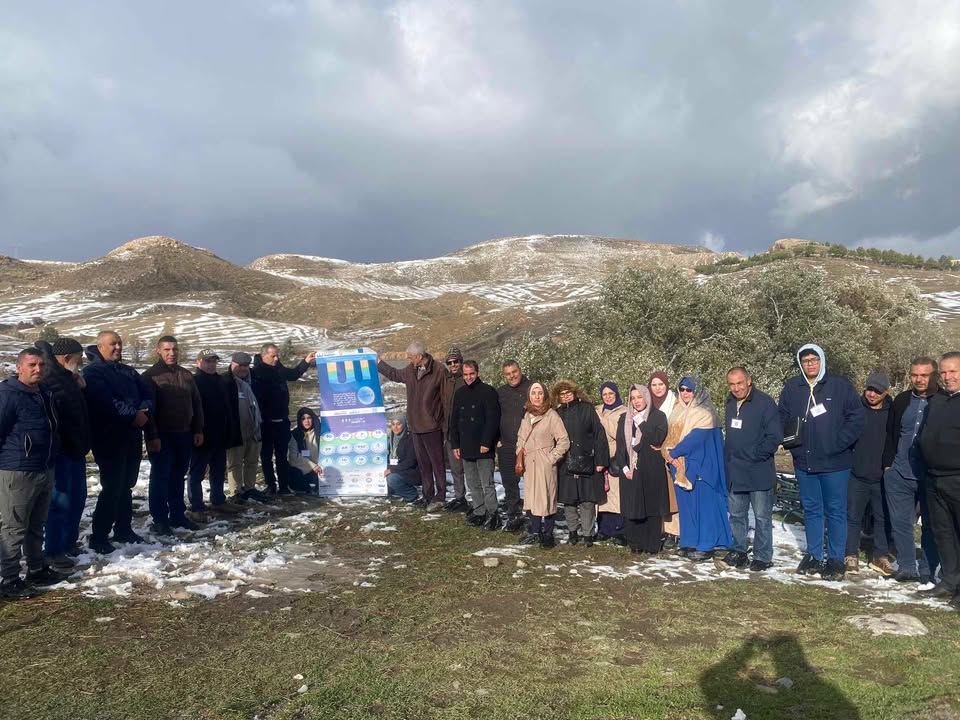
- Field visit in October 2025 to showcase the demonstration site to farmers, advisors, and policymakers.
- Creation of multiple communication channels, including WhatsApp, email, Google Forms, Facebook, and YouTube, to ensure continuous engagement with all project stakeholders.
On 22 November 2025, the first Regional Farming Group (RFG) meeting took place, bringing together all selected stakeholders, including farmers, agricultural advisors, policymakers, cooperatives, seed producers, and researchers. The day began with a presentation of the WATERMELLON project, followed by training sessions on conservation agriculture and the management of winter crops and sorghum, as well as on water harvesting techniques. In the afternoon, participants took part in a practical field session, where they observed crop itineraries, soil management practices, and the use of reduced-tillage machinery. The day concluded with a stakeholder discussion and the collection of feedback through a questionnaire, allowing participants to share their insights and experiences.
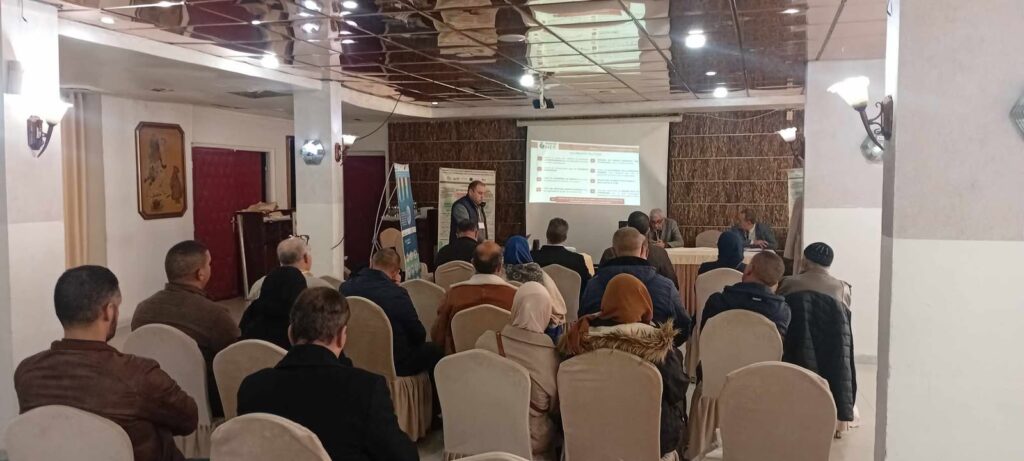
Photo credit: U. SKIKDA: First Regional Farming Group
Farmers and advisors expressed strong satisfaction with the integrated farming model, particularly the crop rotation and WFTS water harvesting system. Policymakers highlighted the potential to replicate this model across other semi-arid regions in Algeria. Sorghum and oats were highly valued for their drought resistance, while adopting flexible water tanks was recognized as a critical challenge for ensuring water security during dry periods.
University of SKIKDA will continue strengthening the RFG network by establishing a second and third group in March and May 2026. A field visit is also planned for February 2026, pending the delivery of a new water tank from France, which will be essential for upcoming demonstration days and practical training sessions.
Through these activities, the University of Skikda continues to promote sustainable agriculture, efficient water management, and climate-resilient farming practices in Algeria.