


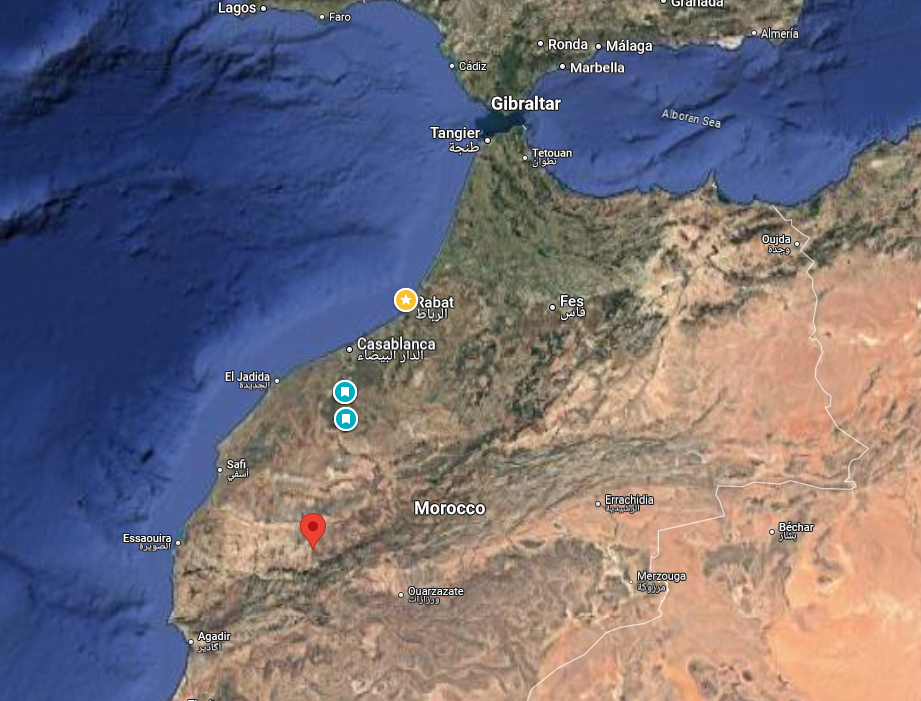

Farmer engagement in design and implementation of R&D activities is crucial for WaterMellon project success, ensuring relevance, adoption, and sustainability by incorporating local knowledge, building trust, tailoring solutions, and fostering collaboration, leading to better outcomes in food security, environmental sustainability, economic viability and better livelihood than top-down approaches.Therefore, the process of engagement with farmers and stakeholders started during formulation of WaterMellon project proposal itself. A preliminary workshop (Fig. 1) was held at Douar Akrich, during the process of formulation of WaterMellon project on August 7, 2024 and took account on current status of ancient hydraulic systems namely Khettara (Fig. 2) and Seguias (Fig. 3), current cereal-based monocropping systems, need to rehabilitate Khettara and Seguias, need for climate smart crops, and crop rotations to manage the effect of climate change. This was followed by continuous contact with lead farmers over phone and field visits, since onset of project activities.
Khettaras are traditional, ancient underground irrigation systems in Morocco, introduced around the 10th-11th century during the Almoravid period to supply Marrakech and later spreading to Tafilalet province. These are gently sloping underground gallery designed to tap into groundwater at higher altitudes (usually in alluvial fans at the foot of the Atlas Mountains) and transport it by gravity to lower-lying fields, arid oases and settlements. They are part of a broader, community-managed water system that includes seguias. Seguias are traditional, open-air earthen canal systems in Morocco used for centuries to transport water—primarily from rivers (oueds), springs, or underground khettaras (qanats)—to agricultural fields and villages.
Douar Akrich village and its province Al Haouz, experiences various challenges including recurring droughts and water scarcity, exacerbated by climate change, severely impact agricultural productivity and traditional livelihoods, leading many families to migrate to urban centers. Douar Akrich village and its province Al Haouz also experienced deadliest earthquake on September 8, 2023, causing over 3000 fatalities, extensive damage to economy and livelihood of the population; and still recovering from that deadliest shock.
On October 19, 2025, ICARDA team visited Douar Akrich, had Workshop (Figure 4) for lead farmers on importance ancient hydraulic systems namely Khettara and Seguias, and their rehabilitation, negative effect of mono-cropping with cereals such as barley on soil health and fertility, importance of drought/salinity tolerant crops such as triticale, white lupin and quinoa. The event included both discussions and outdoor activities, with a visit to Khettara and Seguia, the local demo field, highlighting innovative solutions for sustainable agriculture in arid regions of Mediterranean drylands.
Because of severe drought experience in Morocco during preceding years, there was no water flow in the Khettara during the visit and it would be right time to conduct rehabilitation work. As a part of rehabilitation of Khettara and Seguias, it was decided to removing accumulated silt, sediment, and debris from the bottom of Khettara’s channel (Fig. 5) and Khettara reservoir (Fig. 6) increase its capacity to hold more water. A demo field was also identified (31°26’51.3″N 8°02’59.2″W; altitude 692m; Figure 7) for up-coming cropping season to plant triticale and white lupin under irrigation from Seguia irrigation system. The discussions were focused on new cropping systems based on climate-smart crops such as triticale, lupin and quinoa, there role in increasing soil fertility and soil health. Further discussions were focused on developing value-added products through participation of local cooperatives to enhance the potential of new crop-based cropping system in the arid regions.
Through this kind of workshops, demo trials and field visits, PRIMA-Horizon Europe funded project WaterMellon continues to advance climate-resilient agriculture in dry areas in the Mediterranean region, helping farmers to adapt to environmental stresses, improve yields, and secure sustainable livelihoods.
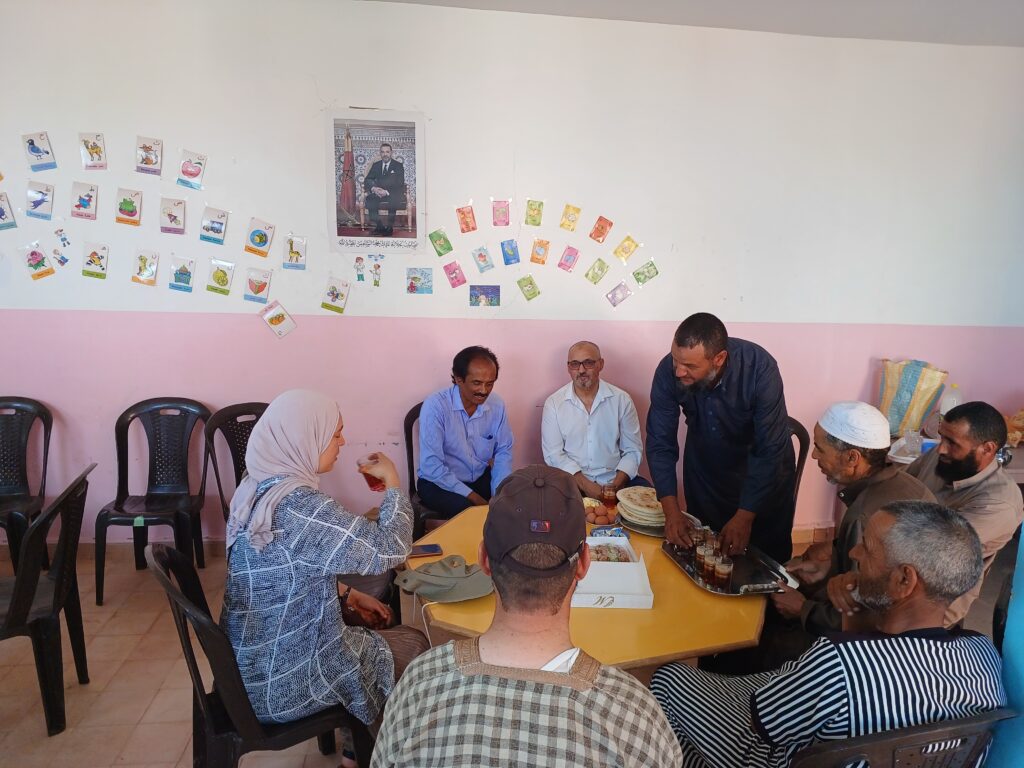
Fig. 1: Workshop on rehabilitation of Khettara and Seguia and new crops at Douar Akrich, Morocco. Photo credit: ICARDA
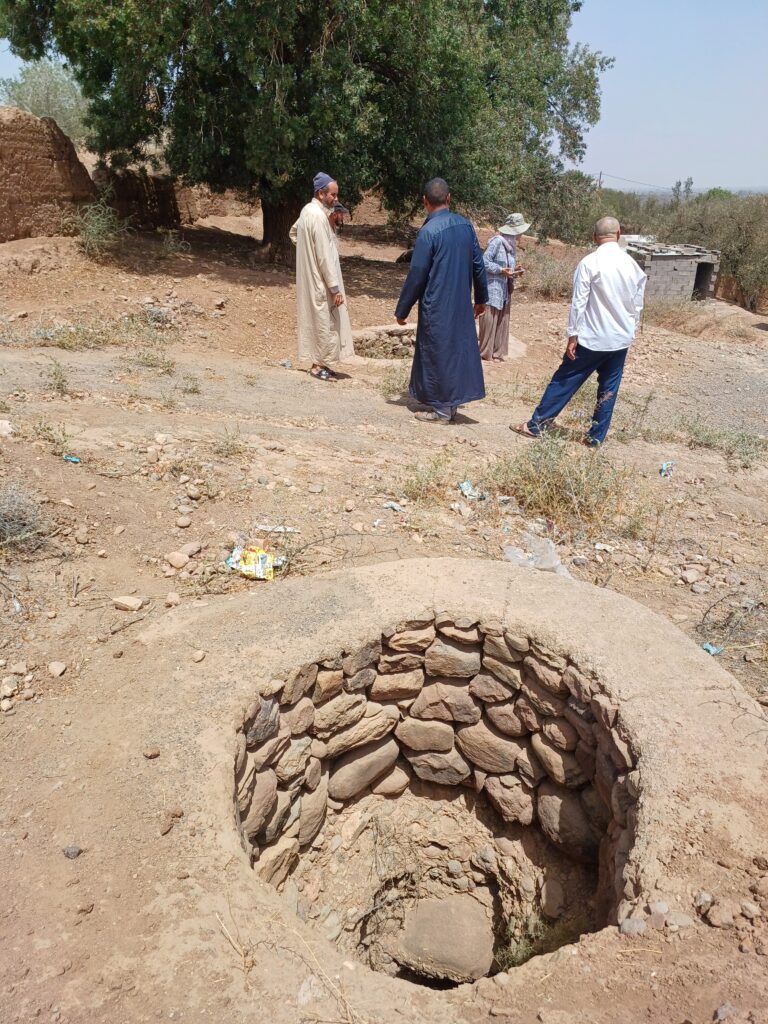
Fig. 2: A veiw of Khettara showing vertical wells. Photo credit: ICARDA
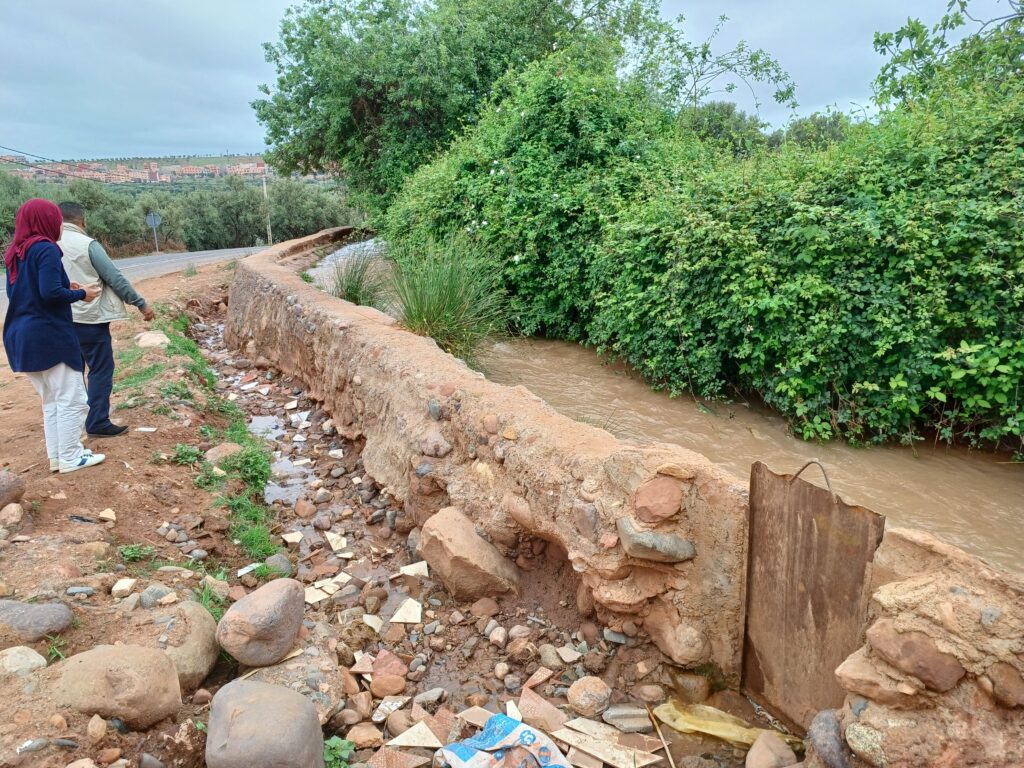
Fig. 3: A view of Seguia. Photo credit: ICARDA
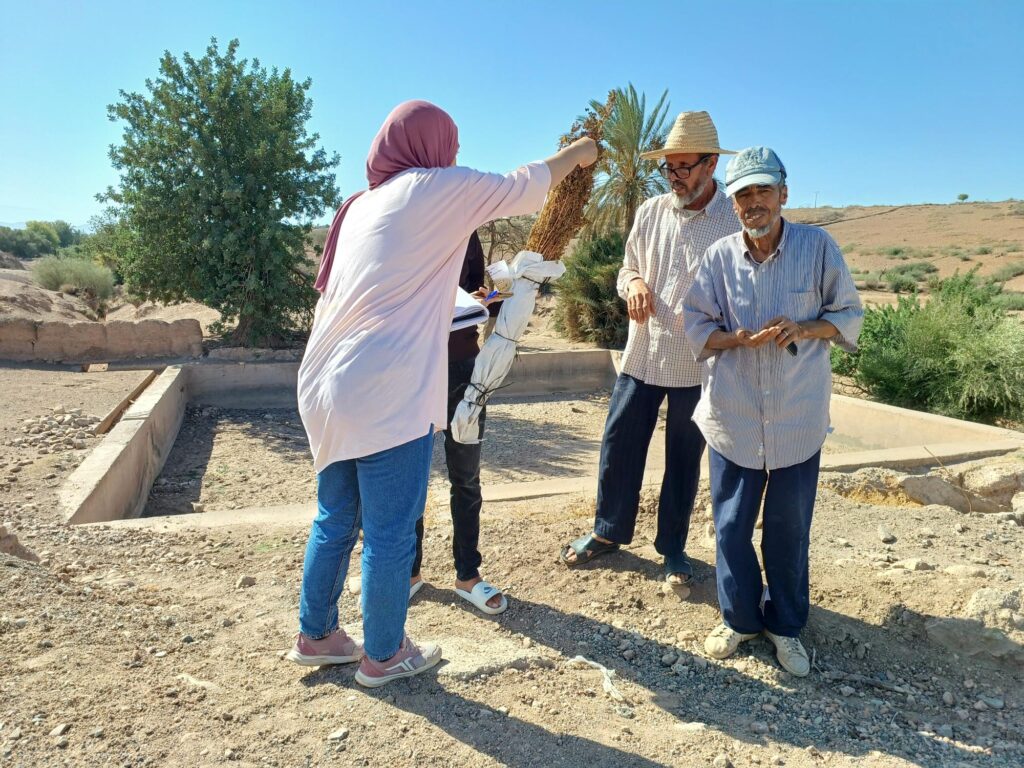
Fig. 4: A field visit and workshop by ICARDA partners to Khettara and Saguia, discussing need for their rehabilitation. Photo credit: ICARDA
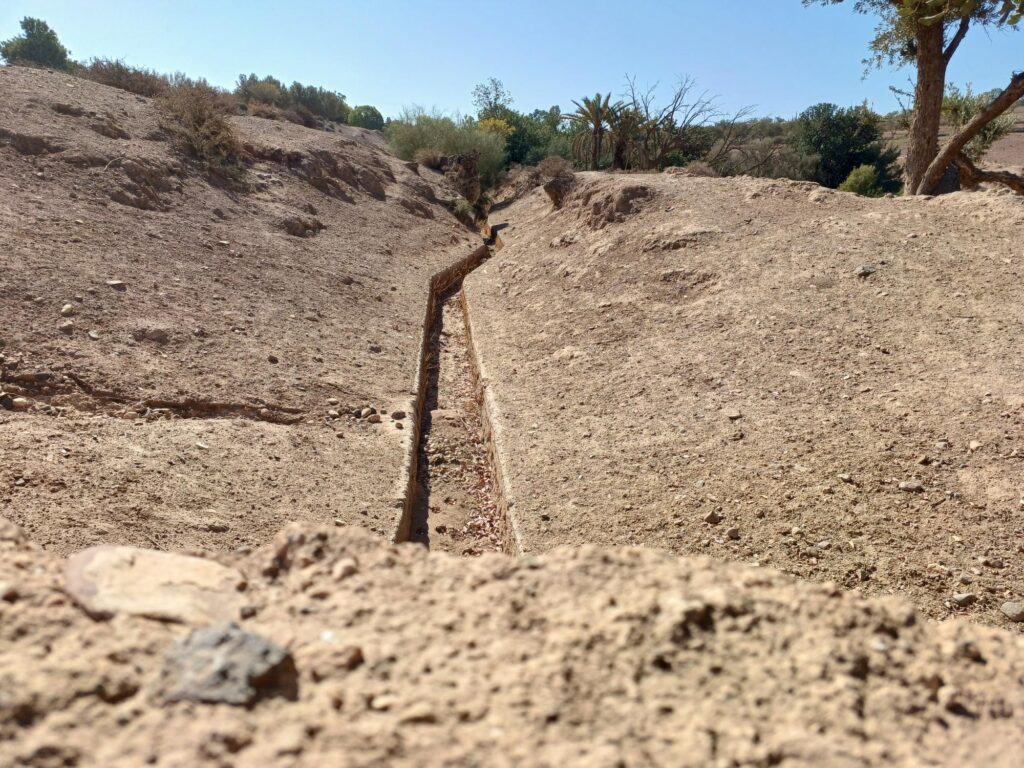
Fig 5: A Khettara’s channel accumulated silt, sediment, and debris . Photo credit: ICARDA
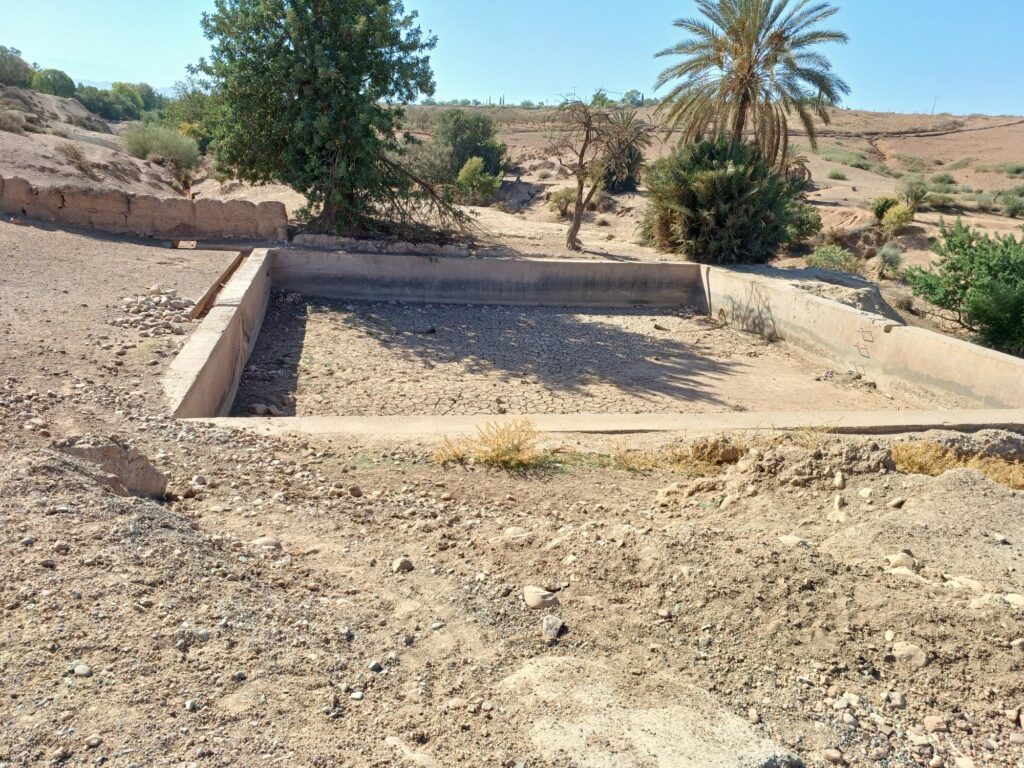
Fig 6: Khettara’s reservoir accumulated silt, sediment, and debris. Photo credit: ICARDA
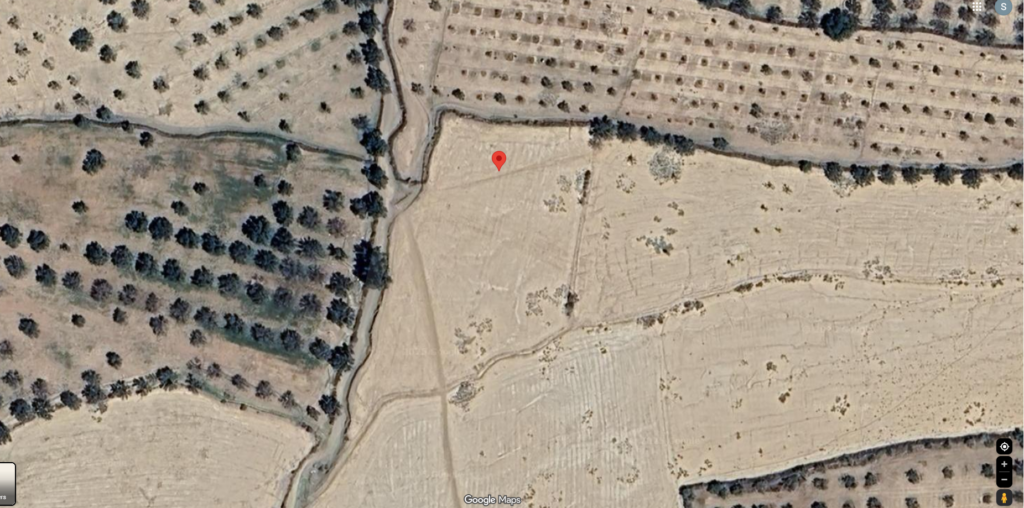
Fig. 7: A view of demo site at Douar Akric, Morocco. Photo credit: ICARDA