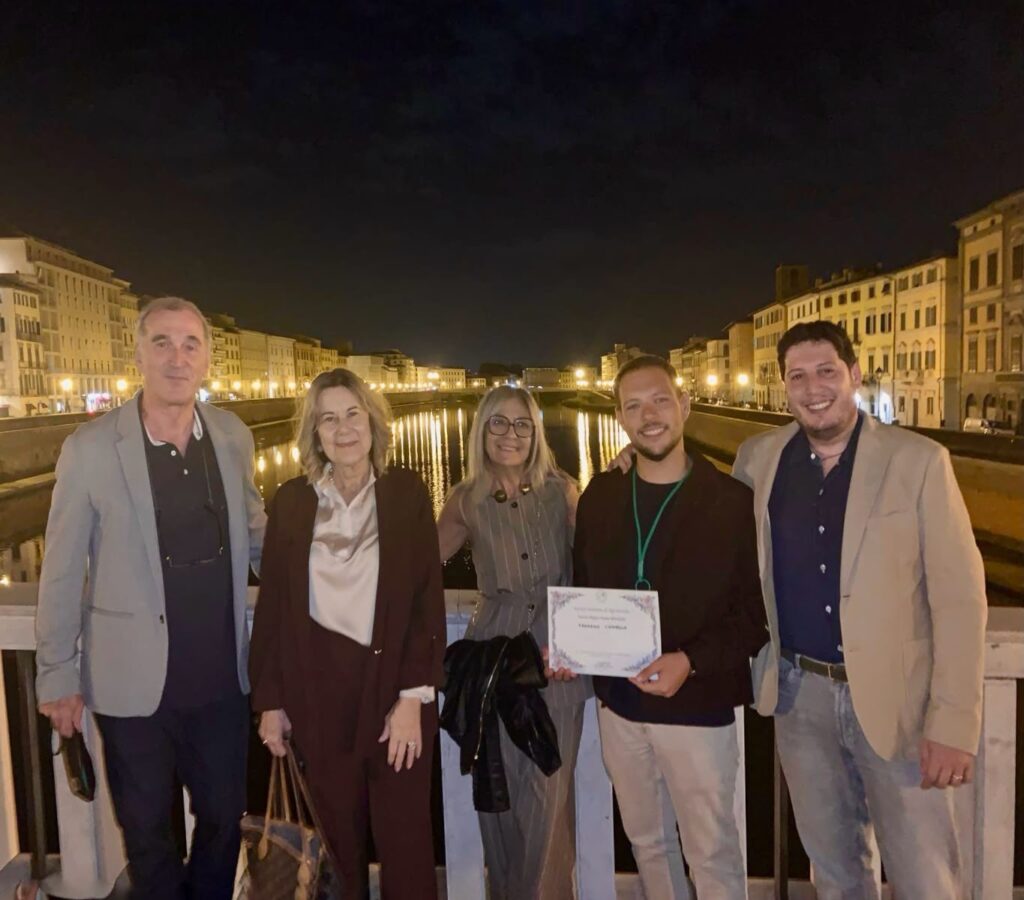

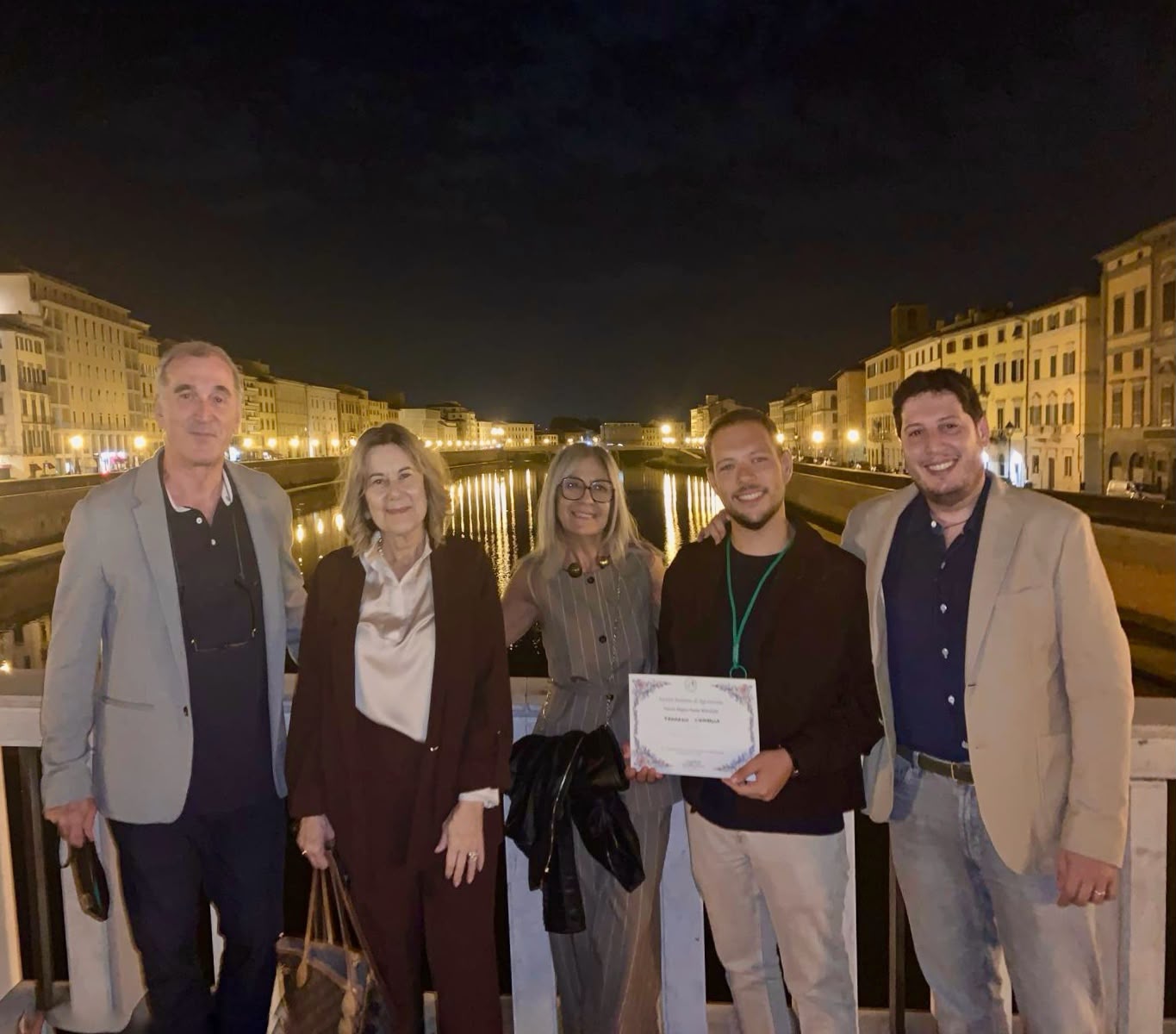
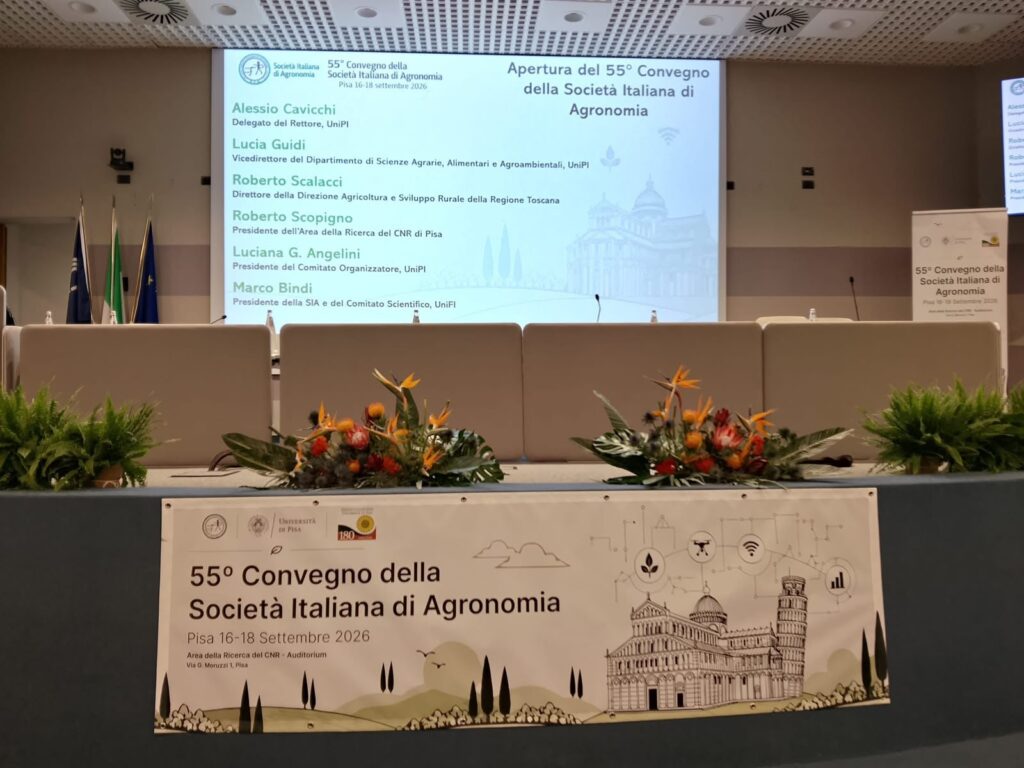
Two research posters based on the WATERMELLON project were presented by our partner, the Council for Agricultural Research and Economics (CREA), at the 55th National Congress of the Italian Society of Agronomy (SIA 2026), held in Pisa, Italy, from 16 to 18 September 2026.
Under the theme “Agricultural Production Systems in the Era of the Eco-Digital Transition”, the congress brought together the scientific community to discuss the challenges and opportunities facing agricultural systems. The two posters showcased research exploring how innovative agricultural practices and digital technologies can contribute to more sustainable and climate-resilient farming in Mediterranean environments.
Integrating Conservation Agriculture and Irrigation Systems for Sustainable Quinoa Production
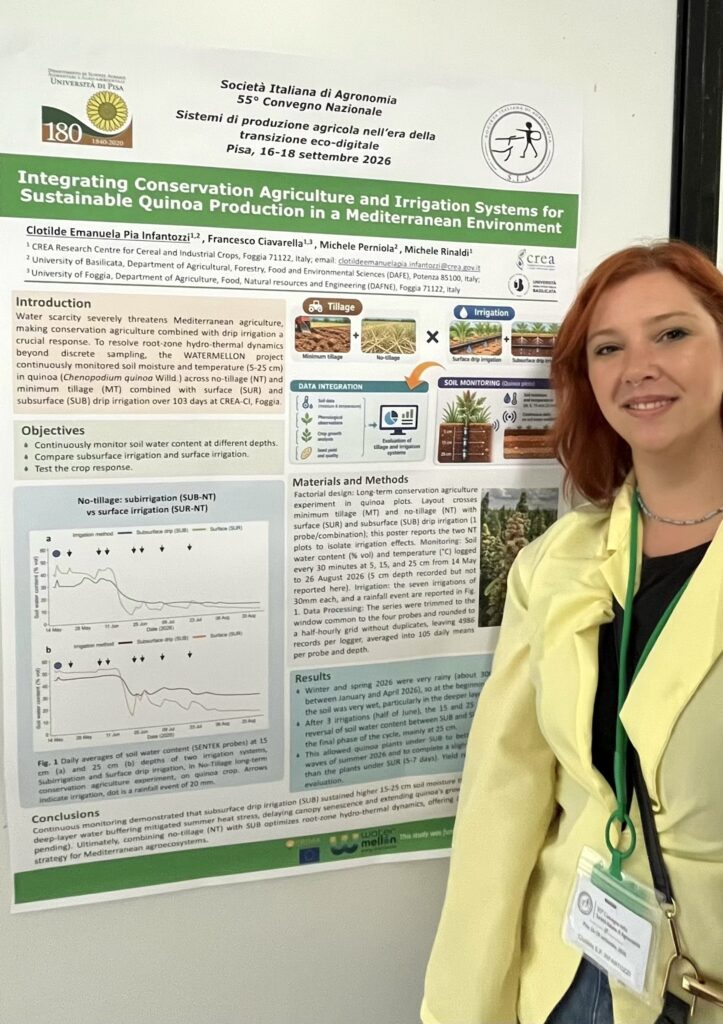
The first poster, entitled “Integrating Conservation Agriculture and Irrigation Systems for Sustainable Quinoa Production in a Mediterranean Environment”, presented research by Clotilde Emanuela Pia Infantozzi, Francesco Ciavarella, Michele Perniola and Michele Rinaldi.
Based on research conducted at CREA-CI in Foggia, Italy, the study investigated how different irrigation systems affect soil water content and temperature in quinoa crops managed under no-tillage conservation agriculture. Soil conditions were continuously monitored at different depths over the 2026 growing season, comparing surface drip irrigation with subsurface drip irrigation.
The results showed that subsurface drip irrigation maintained higher soil moisture levels in deeper soil layers (15–25 cm), helping quinoa plants better withstand summer heat waves. This also allowed plants under subsurface irrigation to extend their growing cycle by approximately 5–7 days compared with those under surface irrigation. Yield responses are still being evaluated.
These findings highlight the potential of combining no-tillage practices with subsurface drip irrigation to improve root-zone water dynamics and support climate adaptation in Mediterranean agricultural systems.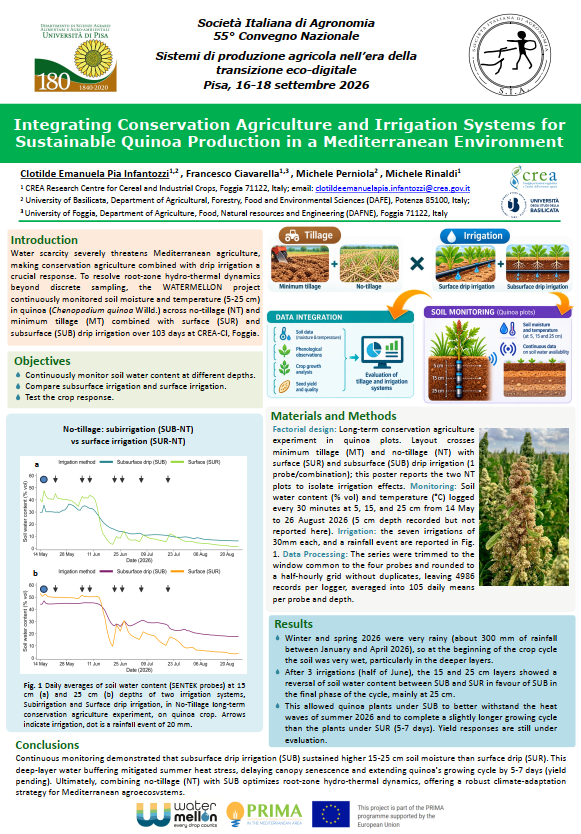
Conservation Agriculture and Earth Observation for Durum Wheat Resilience
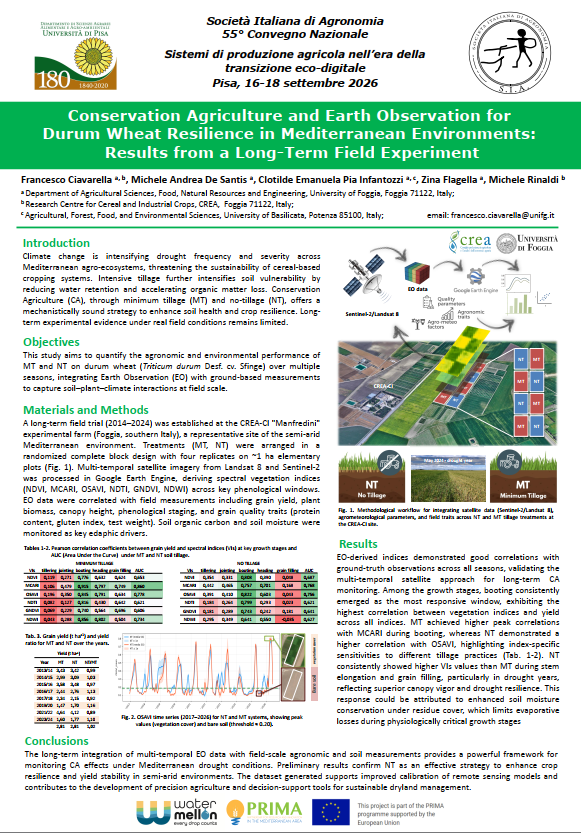
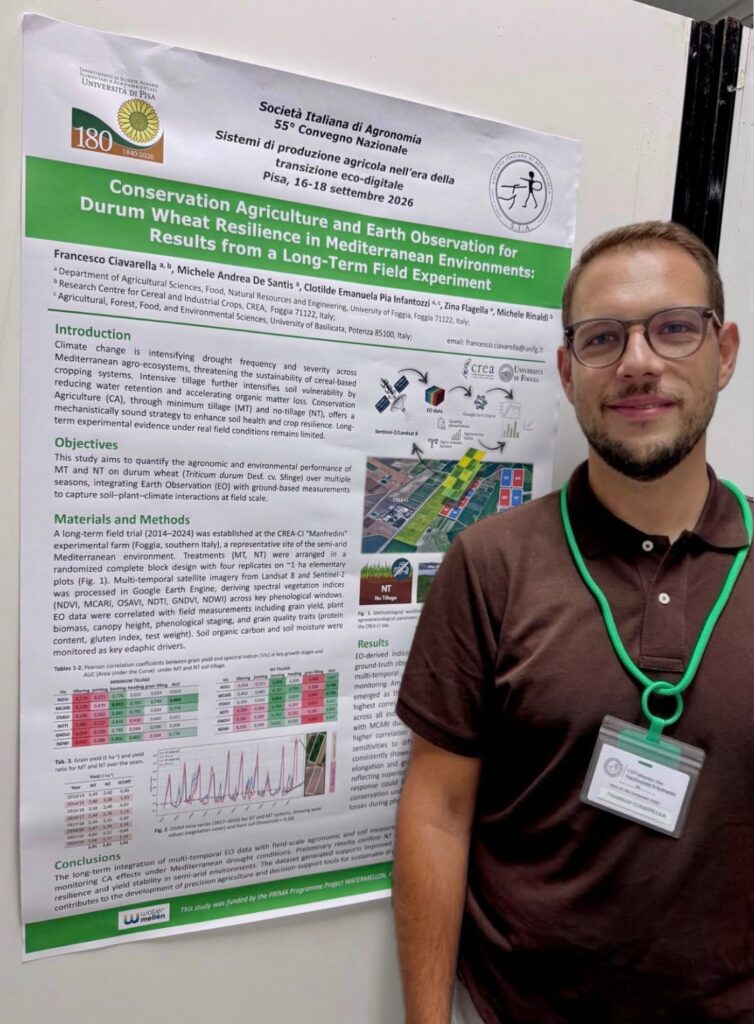
The second poster, “Conservation Agriculture and Earth Observation for Durum Wheat Resilience in Mediterranean Environments: Results from a Long-Term Field Experiment”, presented research by Francesco Ciavarella, Michele Andrea De Santis, Clotilde Emanuela Pia Infantozzi, Zina Flagella and Michele Rinaldi.
The study examined the agronomic and environmental performance of minimum tillage and no-tillage systems in durum wheat over a long-term field experiment conducted at the CREA-CI experimental farm in Foggia between 2014 and 2024.
An important aspect of this research was the integration of satellite data from Sentinel-2 and Landsat 8 with field-based measurements, including grain yield, plant biomass, canopy height, phenological development and grain quality. This approach made it possible to monitor crop and soil conditions across different growing seasons and assess the relationship between vegetation indicators and agricultural performance.
The results showed that satellite-derived vegetation indices correlated well with field observations. No-tillage also consistently presented higher vegetation index values during key growth stages, particularly in drought years, indicating stronger canopy vigour and resilience to water stress.
The research demonstrates the value of combining long-term field experiments with Earth Observation data to monitor conservation agriculture practices, improve precision agriculture and support decision-making for sustainable dryland management.
Advancing Climate-Resilient Agriculture Through Research
Together, these two contributions illustrate how WATERMELLON supports research into practical approaches to address water scarcity and climate-related challenges in Mediterranean agriculture.
By exploring improved irrigation strategies, conservation agriculture and the use of Earth Observation technologies, the studies contribute to the development of more efficient and resilient agricultural systems, while strengthening the scientific knowledge underpinning sustainable farming practices.
The posters are available below:
- Integrating Conservation Agriculture and Irrigation Systems for Sustainable Quinoa Production in a Mediterranean Environment
- Conservation Agriculture and Earth Observation for Durum Wheat Resilience in Mediterranean Environments: Results from a Long-Term Field Experiment